



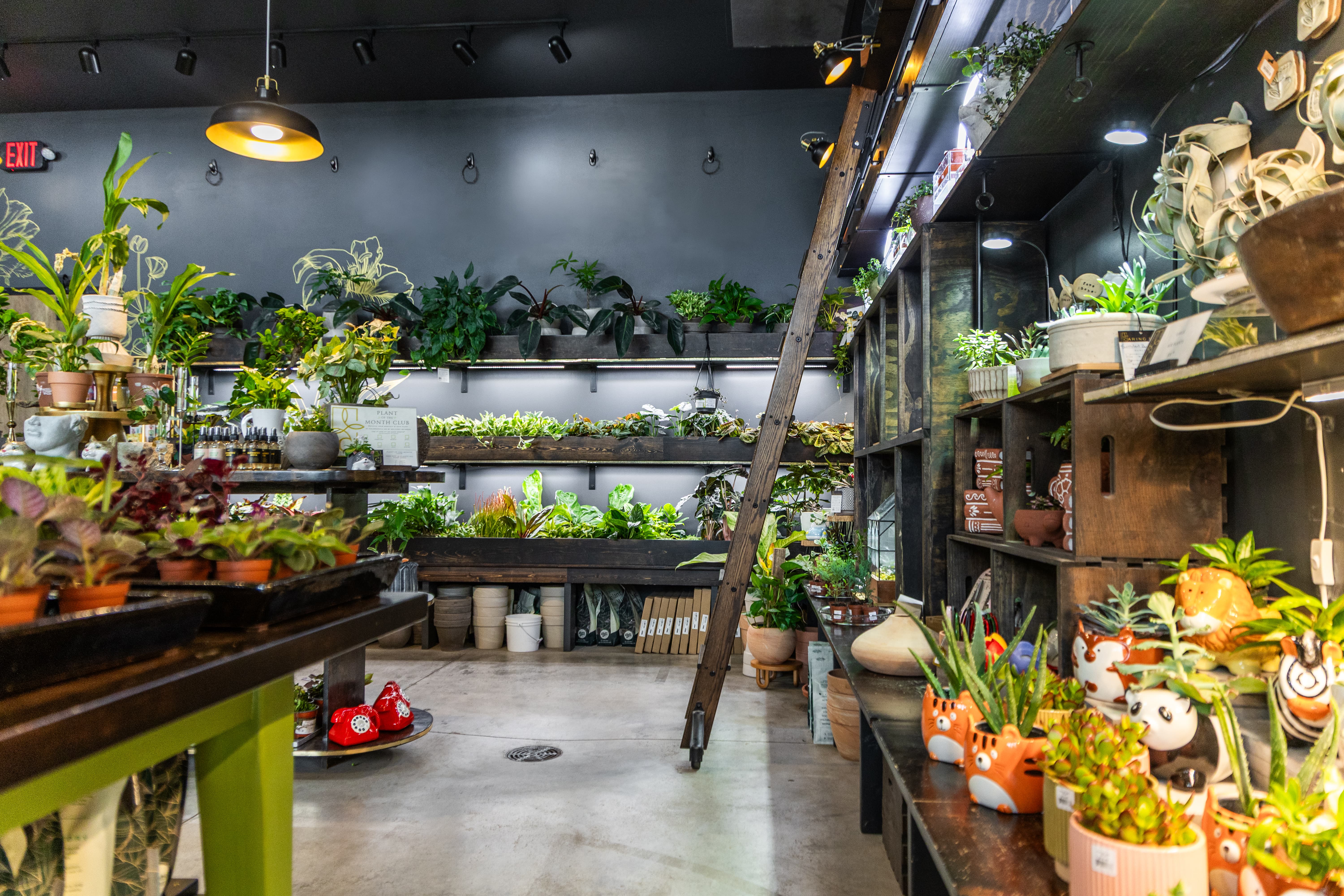
The air changes before the temperature does
Once the furnace kicks on for the season, indoor humidity in an Omaha home can drop to somewhere between a desert and a greenhouse. Most houseplants are built for the greenhouse end of that range. The plant hasn't changed. The room around it has.
Watering less, not more
It's tempting to water more often once things start looking dry, but shorter days mean most plants are growing slower and using less water, even as the air pulls moisture out of the soil faster. Check the top inch or two of soil before watering rather than sticking to a set schedule. In winter, "once a week" for one plant might mean once every ten days for the same plant come January.
Winter care is less about doing more and more about paying closer attention.
Fighting the dry air
Grouping plants together raises the humidity in their immediate area. A pebble tray with water underneath the pot (not touching the roots) helps too, and a small humidifier nearby does the most for anything genuinely humidity-loving, like ferns or calatheas. Keep leaves away from heating vents and cold window glass alike; both stress a plant in the same season.
Chasing the light
Winter sun sits lower and weaker, even next to the same window. A spot that was bright indirect light in July can read as medium or even low light by December. If growth stalls and leaves start reaching or paling, it's worth moving a plant closer to its window, or to a brighter one, for the darker months, then moving it back in spring.